the streaming service’s take on great albums has the internet ablaze

Apple Music recently unveiled its “Best 100 Albums” list, a compilation highlighting the most influential and celebrated albums across various genres and eras. While such lists are inherently subjective and often spark debate, this particular ranking has ignited a significant amount of controversy among music fans, critics, and artists alike. Here are 6 reasons Apple Music’s “Best 100 Albums” list is debatable.
context
Apple Music, a leading music streaming service globally, holds considerable sway in the music industry. Its “Best 100 Albums” list is intended to reflect the platform’s curatorial judgment and taste, offering users a guide to some of the most essential listening experiences. The list spans decades, genres, and cultural contexts, aiming to present a comprehensive overview of music that has shaped the industry.
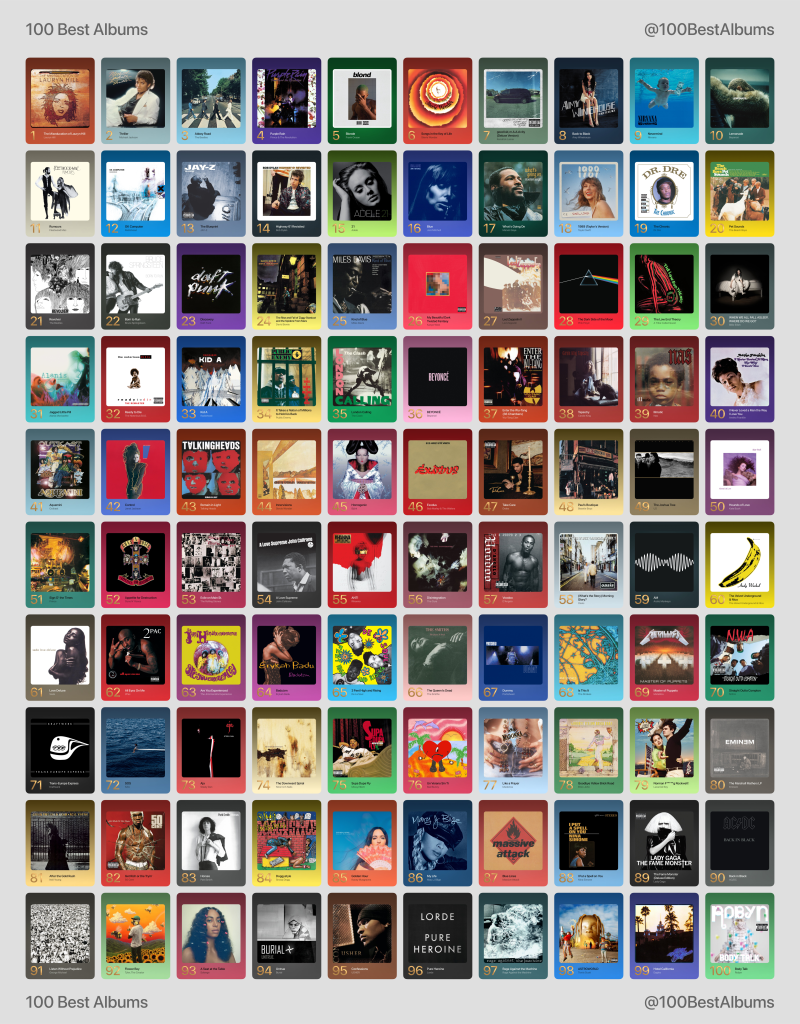
Ultimately, lists like Apple Music’s “Best 100 Albums” are subjective. They reflect particular viewpoints and can never fully satisfy everyone. However, the strong reactions to this list underscore its impact and the deep emotional connections people have with music. While it may not be definitive, it serves as a conversation starter and reflects current trends and tastes in the music industry.
6. industry influence
One point of controversy concerns speculation about industry influence over the list’s composition. Some critics suggest that commercial interests, such as record label pressures or promotional considerations, may have swayed the selection process. This possibility undermines the list’s perceived impartiality and artistic integrity.
5. generational differences
The list has also highlighted generational divides in music appreciation. Older listeners may favor classic rock, jazz, or blues albums. Meanwhile, younger audiences might lean towards hip-hop, electronic, or indie records. This disparity can lead to disagreements over what constitutes the “best” in music, as each generation’s cultural and musical touchstones differ.
4. omissions and inclusions
No list of this nature can avoid controversy over which albums were included or excluded. Iconic albums from legendary artists such as The Beatles, Michael Jackson, and Bob Dylan are often expected, but their placement or absence can be contentious. Additionally, including certain modern artists and their albums—sometimes seen as undeserving by traditionalist fans—has provoked significant backlash.
3. modern vs. classic albums
The inclusion of contemporary albums alongside classic records has also sparked debate. Some argue that recent albums have not stood the test of time and therefore should not be ranked among timeless classics. This tension between honoring music’s rich history and acknowledging recent innovations fuels disagreement over the list’s composition.
2. historical and cultural representation
Critics argue that the list does not adequately represent the diversity of music history and global cultural influences. While it includes albums from various genres, some feel it disproportionately favors certain types of music, particularly Western and English-language albums. This perceived bias raises concerns about cultural inclusivity and the recognition of influential works from non-Western artists.
1. selection criteria and transparency
One of the primary sources of contention is the lack of transparency regarding the selection criteria. Apple Music has not fully disclosed the methodology behind the list. Questions about who selected the albums—whether it was a panel of experts, user data, or a combination of both—remain unanswered. This opacity leads to skepticism about the list’s credibility and authenticity.
The 6 reasons Apple Music’s “Best 100 Albums” list is debatable has achieved its goal of generating buzz, but not without stirring significant controversy. Debates it has sparked highlight important discussions about cultural representation, the balance between old and new, and the subjective nature of musical appreciation. As the conversation continues, one thing remains clear: music, in all its forms, remains a powerful and passionate force in our lives.
– SV